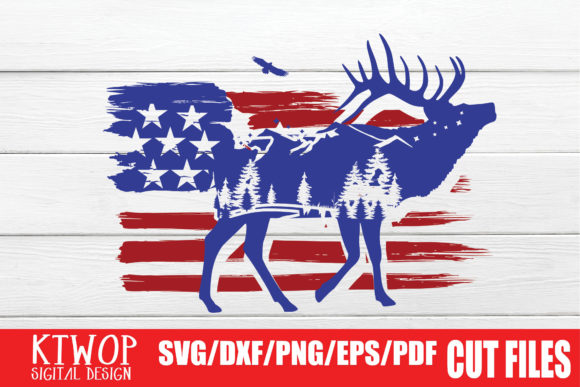
Celebrate Independence: USA X Animal Eagle Side, Fourth of July Design Files
When you are building a brand or creating a product line for the patriotic season, generic clip art rarely cuts it. You need assets that carry weight, history, and a sense of authority. This is where the USA X Animal Eagle Side, Fourth of July design package stands out. It isn’t just a collection of shapes; it is a carefully constructed set of digital assets designed to evoke the spirit of American independence through the iconic imagery of the bald eagle. Whether you are a crafter working on a personal project or a business owner launching a summer merch line, understanding how to utilize these specific file types is the bridge between a good idea and a professional product.
Understanding the Visual Narrative
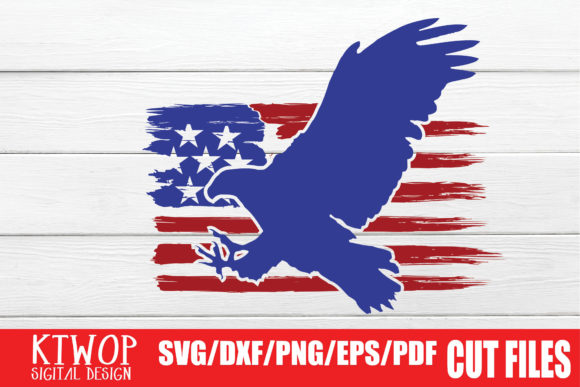
The core appeal of this design lies in its composition. The side profile of the eagle offers a classic, stoic aesthetic that works exceptionally well for logo design and brand identity. It avoids the complexity of a full flight spread, which can sometimes get messy when cut from vinyl or fabric. Instead, the side view provides clean lines and distinct negative space. This makes the USA X Animal Eagle Side, Fourth of July asset highly versatile. It reads well at a distance on a banner and retains its detail up close on a mug or tea towel. The visual weight of the eagle acts as a natural anchor for any layout, allowing you to build your typography and supporting graphics around a strong central focal point.
Mastering the File Types: SVG, DXF, EPS, and Beyond
The true value of this listing lies in the diversity of the design assets provided. You aren't locked into a single software ecosystem. Instead, you are given the keys to the entire kingdom of digital creation.
- SVG (Scalable Vector Graphics): This is the gold standard for the modern crafter. If you are using a Cricut Explore, Silhouette, or Brother machine, the SVG is your go-to. It retains path data, meaning you can resize the eagle to fit a massive backdrop or a tiny lapel pin without losing resolution. For those using Cricut Design Space, this file type ensures that the "cut" lines remain crisp and distinct, preventing the machine from jagged edges.
- DXF (Drawing Exchange Format): Often the unsung hero for users of older machines or specific software like Graphtec and AutoCAD. If your workflow involves technical plotting or specific industrial cutting, the DXF ensures compatibility where SVG might fail.
- EPS (Encapsulated PostScript): As a professional designer, this is likely the file you will reach for first. EPS is the native language of Adobe Illustrator and other high-end vector editors. If you need to modify the eagle for a complex packaging design or integrate it into a larger editorial spread, the EPS file allows for full manipulation of anchor points and colors.
- PDF (Portable Document Format): While often viewed as a read-only format, the included PDF here acts as a reliable vector source for those who may not have Illustrator but need to print high-quality proofs or use the file in publishing software like InDesign.
- PNG (Portable Network Graphics): This is your "quick use" file. It features a transparent background, making it perfect for dropping directly into social media graphics, blog posts, or web design mockups. Keep in mind that PNG is a raster format, meaning it cannot be scaled infinitely like the SVG or EPS, but it is perfect for digital reference and standard printing.
Practical Applications: From Scrapbooking to Commercial Merch
The versatility of the USA X Animal Eagle Side, Fourth of July files allows them to bridge the gap between personal hobby and commercial enterprise. The design style leans heavily into a rustic, vintage patriotism that resonates deeply with current market trends.
For the Crafter and Hobbyist
If you are into scrapbooking or paper crafting, the clean lines of the vector files make layering paper colors a breeze. You can use the separate layers of the design to cut different colored cardstocks—one for the body, one for the feathers, one for the shield—creating a 3D, tactile effect that looks incredibly high-end. For vinyl decals, the side profile is essential. Intricate designs with too many "islands" (floating pieces) are a nightmare to weed. This eagle design balances detail with manageability, ensuring your weeding process is therapeutic rather than frustrating.
For Entrepreneurs and Print-on-Demand
For small business owners, the commercial potential is vast. The USA X Animal Eagle Side, Fourth of July aesthetic is perfect for T-shirts, koozies, and tote bags. Because the design carries such strong visual hierarchy, it can often stand alone without needing heavy text. A simple "USA" or a year date beneath the eagle in a sturdy serif font or a rugged sans serif font is all you need to create a sellable product. It works exceptionally well on kraft paper for tea towels or sublimation on ceramic mugs.
Strategic Typography and Font Pairing
While this listing provides the graphic element, the text you pair with it dictates the final mood. Because the eagle is a symbol of strength and tradition, your typography choices should reflect that.
- The Classic Approach: Pair the eagle with a premium font that has a serif structure. Think of typefaces that mimic chiseled stone or vintage newspaper headlines. This reinforces the historical aspect of the Fourth of July.
- The Modern Rustic: If your target audience is younger (20s to 30s), consider a handwritten font or a script font that looks like hand-lettered chalk. This softens the aggressive nature of the eagle and makes it feel more artisanal and approachable, perfect for a boutique brand identity.
- The Bold Statement: For T-shirt design, a distressed sans serif font in all caps works best. It matches the intensity of the eagle graphic and ensures readability from a distance.
Technical Best Practices for Sizing and Scaling
A common mistake when working with cutting templates is disproportionate scaling. When you import the USA X Animal Eagle Side, Fourth of July file into your software, ensure you lock the aspect ratio before resizing. If you stretch the width without the height, your eagle will look distorted and cartoonish, losing the authoritative feel of the design.
Furthermore, always perform a "test cut" on a small piece of scrap material before committing to your final vinyl or cardstock. This is especially true for the feathers and the talons, which are often the most intricate parts of the design. By checking the compatibility of the files with your specific machine settings (blade depth, pressure, speed), you ensure a flawless final product. Whether you are printing art prints for a gallery wall or cutting decals for a car window, respecting the integrity of the vector paths is paramount to a professional finish.