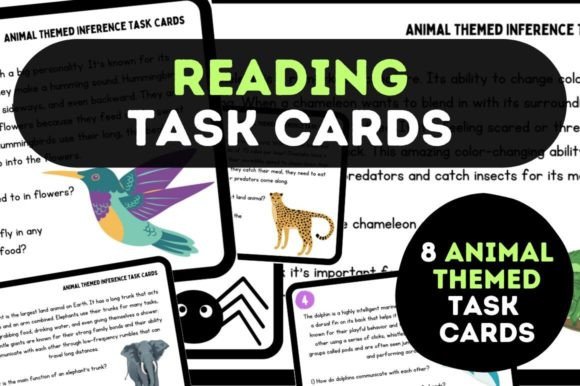
Animal Reading Comprehension Task Cards: A Design Deep Dive
In the world of educational design, functionality often trumps personality. We see a lot of sterile, utilitarian resources that get the job done but fail to inspire. That’s why finding a resource like the Animal Reading Comprehension Task Cards is such a breath of fresh air. It’s a masterclass in balancing educational rigor with genuine, engaging design. For designers, publishers, and content creators working in the educational space, or even for those looking to understand how to inject life into a product, this resource offers a fascinating case study. It proves that learning tools don’t have to be boring to be effective. In fact, when you wrap a solid pedagogical framework in a visually appealing and exciting package, you don’t just teach a skill—you create an experience. This isn't just another set of flashcards; it's a carefully crafted toolkit that understands its audience: young learners who are captivated by the natural world and learn best through play and discovery.
Anatomy of an Engaging Learning Tool
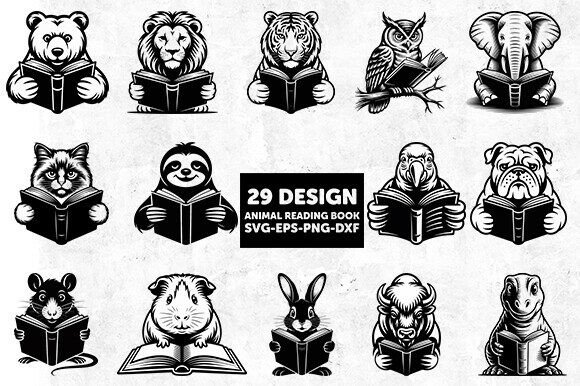
At its core, the Animal Reading Comprehension Task Cards resource is built on a simple, powerful premise: use high-interest topics to teach fundamental skills. The visual personality is immediately apparent. Each of the eight task cards is fronted by a different animal, a design choice that serves multiple purposes. Visually, it breaks the monotony of a traditional worksheet. Psychologically, it taps into a child's innate curiosity about animals, making the task feel less like a chore and more like an exploration. The style is clean and focused, avoiding the visual clutter that can overwhelm young readers. There's a clear hierarchy on each card—the animal image acts as a focal point, followed by the short passage, and finally, the two distinct questions. This structure is a subtle but brilliant piece of information design, guiding the student's eye and mind through the task in a logical sequence. The overall appeal is one of organized fun; it’s professional enough for a classroom setting but has a warmth and approachability that invites interaction.
The true genius, however, lies in the dual-question format. This isn't just a reading quiz; it's a scaffolded learning tool. The first question targets literal comprehension—the ability to locate and extract key information directly from the text. This is the foundational skill. The second question elevates the task, challenging students to make inferences. This requires them to read between the lines, connect ideas, and apply critical thinking. For an educator or a product developer, this is a crucial lesson in design: build your asset with layers of value. The included answer sheet and teacher's guide further cement its professionalism, transforming it from a simple activity into a complete, ready-to-deploy lesson component. This level of completeness is what separates a good idea from a great design asset.
From Classroom Centers to Creative Projects: A Versatile Asset
The suggested uses for these task cards—scavenger hunts, literacy centers, partner work, exit tickets—highlight their incredible versatility. This adaptability is a key principle in any good design system. A single asset, designed with flexibility in mind, can be repurposed across numerous contexts, maximizing its value. A content creator or blogger in the education niche can see immediate parallels to their own work. How can you take a core piece of content and reformat it for different platforms and purposes? The task cards provide a perfect blueprint. A single reading passage could become a blog post, an infographic, a social media carousel, and a podcast script. The resource teaches us to think modularly.
But the influence of a resource like this extends beyond its direct application. Think about the principles it embodies for brand identity and marketing. The animal theme isn't arbitrary; it's a branding decision. It creates a recognizable and memorable identity for the product. A small business owner creating educational materials could learn from this approach. Instead of a generic name, a strong theme can make a product line cohesive and appealing. This is the same logic a designer uses when selecting a creative font for a logo design or a color palette for a website. The choice of an animal theme for these reading comprehension task cards is akin to choosing a handwritten font for a bakery's branding—it instantly communicates personality and sets an expectation.
Design Principles at Play: More Than Just a Pretty Face
Let's analyze the underlying design principles at work, because they are universally applicable. First, consider visual hierarchy. The layout of the task cards ensures that the most important information—the task itself—is prominent. In web design or editorial design, we achieve this through typography, spacing, and color. A bold display font for a headline, a clean sans serif font for body copy, and strategic use of white space all serve to guide the user. The task cards do this visually with images and layout, demonstrating that hierarchy is about directing attention, regardless of the medium.
Second, the resource excels at audience engagement. By making the content relatable and the format interactive, it holds a child's attention far better than a static page of text. This is the exact same challenge a marketer faces with an email campaign or a publisher faces with a magazine layout. How do you stop the scroll? How do you make someone want to turn the page? The answer is often by offering value in an engaging package. The Animal Reading Comprehension Task Cards offer the value of skill-building in the engaging package of an animal-themed hunt. It’s a lesson in wrapping a valuable core offering in an irresistible exterior.
Finally, the resource underscores the importance of consistency. The uniform structure across all eight cards creates a predictable and comfortable user experience. Once a student understands how one card works, they can confidently approach any of the others. This builds professionalism and trust. This is the same reason brands develop strict style guides for their typeface usage, logo placement, and color codes. Whether you're using a premium font like a classic serif font for a luxury brand or a modern script font for a wedding invitation business, consistency in its application is what builds brand recognition and communicates reliability. The task cards, in their own educational context, are a perfect example of a well-executed, consistent design system that delivers real-world results. They are a reminder that great design is, first and foremost, about solving a problem effectively and elegantly.