Ancient Drinking Horns: Ritual, Rustic Design & Cultural Heritage
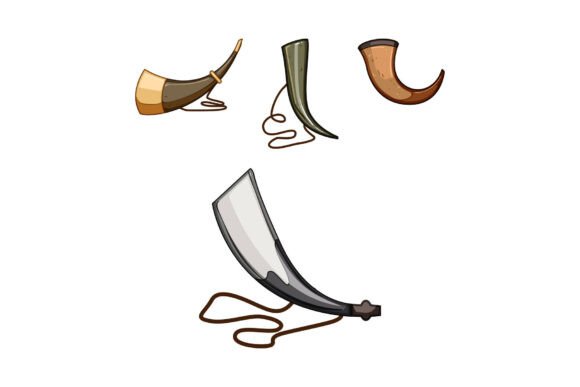
There’s something primal about drinking from a horn. It’s not just a vessel; it’s a connection to a lineage of warriors, kings, and communities gathered around a fire. The collection of illustrated ancient drinking horns and wind instruments, with their rustic ceremonial designs and carved motifs, does more than just showcase historical artifacts. It evokes a tangible sense of medieval tradition, ritual, and deep cultural heritage. For designers, creators, and brands looking to inject that raw, authentic power into their projects, understanding this aesthetic is key. It’s about capturing a feeling of enduring craftsmanship and storied history.
Visual Characteristics: More Than Just a Shape
At first glance, a traditional animal horn for drinking is defined by its organic, unrefined silhouette. No two are perfectly alike. The natural curve, the gradual taper from a wide mouth to a narrow tip, and the subtle ridges or imperfections tell a story of its origin. The visual personality is one of strength, authenticity, and earthiness. It’s a style that feels handcrafted and ancient, avoiding the sterility of mass production.
The true artistry, however, often lies in the surface treatment. The carved motifs are where cultural heritage comes alive. These aren’t random decorations. They are symbolic narratives featuring intricate knotwork, mythical beasts, runic inscriptions, and patterns drawn from nature. Each groove and relief is a deliberate mark of identity, belief, or status. This layered complexity—from the raw material to the refined engraving—creates a visual style that is both rugged and deeply sophisticated. It’s a design language that speaks of permanence and significance.
Where This Aesthetic Finds Its Voice Today
So, where does this ancient, ritualistic style fit in our modern creative landscape? Its applications are surprisingly versatile, especially for projects that demand authenticity and a strong narrative.
In brand identity, this aesthetic is perfect for companies rooted in heritage, craft, or the outdoors. Think distilleries, artisan breweries, blacksmiths, historical reenactment societies, or even high-end men’s grooming brands. Using design assets inspired by these horns in a logo design or packaging immediately communicates tradition, quality, and a story worth telling. It sets a brand apart from the clean, minimalist trends, offering instead a sense of timeless substance.
For editorial design and publishing, the carved motifs and rustic forms are gold. They can elevate book covers for fantasy or historical fiction, create striking chapter headings, or add depth to magazine layouts about culture, travel, or craftsmanship. The style works beautifully as a decorative element in packaging design, especially for products that aim to feel exclusive, handcrafted, or connected to a specific place and history.
In the digital realm, this aesthetic translates powerfully to social media graphics and web design for niche audiences. A background texture mimicking aged horn, a divider styled as a runic band, or icons inspired by carved motifs can create a cohesive and immersive experience. It’s about building a visual world that feels rich and authentic, not just another feed.
Influence on Brand Perception and Audience Connection
Choosing a visual style is a strategic decision that directly influences how an audience perceives a brand. The aesthetic of traditional drinking horns and carved instruments does several things exceptionally well:
- Establishes Authority and Heritage: It instantly suggests that the brand or project has roots, that it values tradition and quality craftsmanship. This builds trust and a perception of reliability.
- Creates Memorable Recognition: In a sea of sleek, modern designs, the distinctive, textured look of this style is highly memorable. It carves out a unique visual niche that audiences can easily recall.
- Fosters Emotional Engagement: It taps into universal feelings of connection to history, ritual, and the natural world. This isn’t just visual appeal; it’s an emotional resonance that can turn casual viewers into loyal advocates.
- Enhances Perceived Value: The complexity and time-honored nature of the designs suggest something premium and carefully made. This can elevate the perceived value of a product or service, supporting a higher price point or a more dedicated following.
For the designer or entrepreneur, leveraging this style means making a deliberate choice to stand for something enduring. It’s a move away from fleeting trends and toward a more substantial form of visual communication.
Practical Guidance for Incorporating This Style
Ready to harness this aesthetic? Here’s how to approach it with practicality and finesse.
Start with Research and Authenticity. Don’t just mimic the look superficially. Study the actual artifacts, the symbolism of the knots, the difference between Celtic and Norse patterns. Authenticity is what gives the design its power. For a project, this might mean sourcing a high-quality premium font that captures the carved, serif-like quality of runic inscriptions, or finding a creative font with a strong, organic personality for display text.
Evaluate Project Fit Critically. Ask: Does my project’s core message align with themes of tradition, craft, nature, or heritage? A children’s toy brand might not be the best fit, but a specialty tea company focusing on ancient blends absolutely is. The style should feel like a natural extension of the brand’s story, not a forced costume.
Master the Art of Font Pairing. If using a display font inspired by carved letterforms, pair it with a clean, highly readable sans serif font or a simple serif font for body text. The contrast ensures legibility while letting the decorative font make its statement. Avoid pairing two highly ornate styles, which can create visual chaos. The goal is hierarchy and clarity.
Consider Readability and Context. Highly textured or ornamental styles work best as headlines, logos, or accent elements. They are not suited for long blocks of body copy, where a modern typography approach with a neutral, readable typeface is essential. Always test designs at various sizes and on different devices to ensure the core message remains accessible.
Review Licensing for Commercial Use. If you’re using a commercial font or commissioned design assets inspired by this aesthetic, ensure the license covers your intended use—whether for a client’s brand identity, merchandise, or digital media. Understanding the terms protects both you and your client.
Ultimately, the power of the traditional animal horn aesthetic lies in its ability to tell a story without words. It’s a direct line to a shared human history of ritual and making. For the modern creator, it’s not about replicating the past, but about using its visual language to build something new that feels equally authentic, meaningful, and lasting. It’s a tool for building brands and designs that don’t just catch the eye, but hold the imagination.