200 African Animal Coloring Pages V - 1: A Designer's Safari
As creative professionals, we're constantly seeking assets that offer more than just surface-level appeal. We look for tools that provide depth, versatility, and a genuine connection with an audience. When I first encountered the 200 African Animal Coloring Pages V - 1 bundle, I saw it not merely as a coloring book, but as a comprehensive visual library—a curated collection of design assets with a powerful, cohesive brand identity built right in.
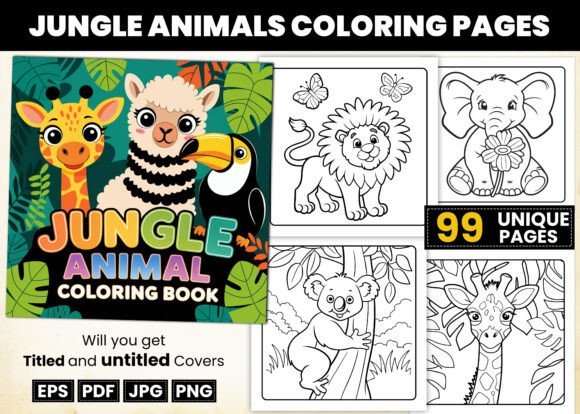
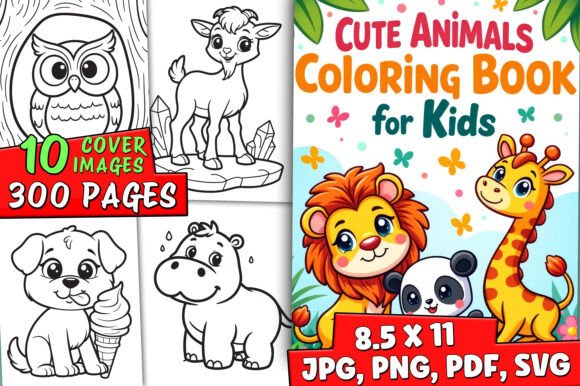
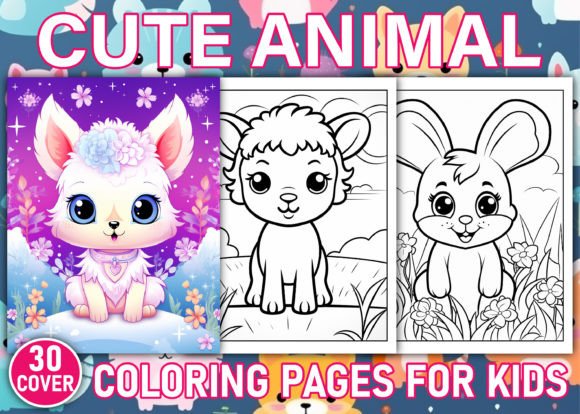
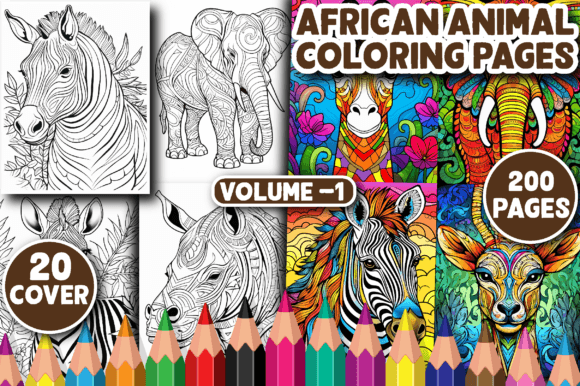
This isn't your average set of simple outlines. This is a thoughtfully assembled volume of 200 intricate illustrations capturing the majesty of African wildlife, complete with 20 premium book covers. For designers, marketers, and content creators, it’s a toolkit waiting to be customized and deployed in countless ways.
A Visual Language of Wild Serenity
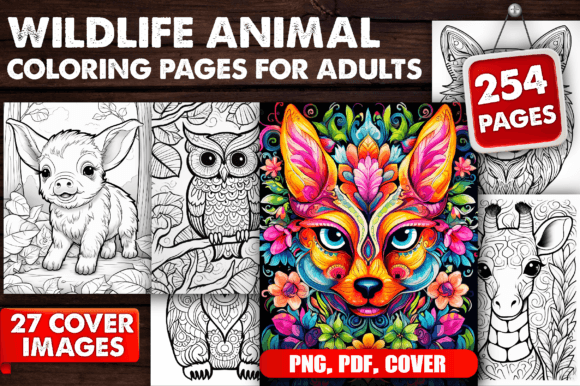
The personality of this collection is defined by its name: Wild Safari Serenity. The style strikes a deliberate balance. It's detailed enough to be engaging for adults, offering a meditative and rewarding coloring experience, yet clean enough to be repurposed as high-quality line art. The illustrations aren't just cartoonish sketches; they are authentic depictions of animals like lions, elephants, and giraffes within their natural savannah and jungle habitats.
This authentic style gives the assets a significant advantage in branding and marketing. Imagine a wellness brand, a travel agency specializing in eco-tourism, or a sustainable goods company using these illustrations. The visual language immediately communicates themes of nature, tranquility, authenticity, and strength. It’s a built-in brand identity toolkit that feels both professional and deeply connected to its subject matter.
Practical Applications: Beyond the Coloring Page
The true value of a design asset lies in its versatility. While the primary function is a printable coloring book, the potential of the 200 African Animal Coloring Pages V - 1 extends far beyond that. Here’s how different professionals can leverage this collection:
- For Brand Identity & Logo Design: A single, beautifully colored animal illustration can become the centerpiece of a logo or brand mark for businesses in travel, conservation, artisanal crafts, or children's education. The consistent style across all 200 pages ensures brand assets will always feel cohesive.
- For Packaging Design: Product packaging for organic teas, coffee, spices, or handmade soaps could be elevated with these illustrations. Using a zebra pattern as a background texture or a detailed elephant as a focal point creates shelf appeal that tells a story.
- For Editorial & Web Design: Bloggers and publishers can use the illustrations as spot graphics, section dividers, or featured images to break up text and add visual interest. A website for a safari lodge or a nature documentary series could use these assets to create an immersive user experience.
- For Social Media Graphics: Create a series of engaging posts by coloring a page and sharing the process, or use the black-and-white line art as a template for followers to color and share. The 20 premium book covers are ready-made templates for e-book promotions or lead magnets.
- For Commercial Products: With the right license, these illustrations can be printed on merchandise like tote bags, t-shirts, journals, and art prints. The "download and customize" feature is key here, allowing you to apply your own color palettes to match your brand or product line.
Evaluating Fit and Ensuring Readability
When integrating any design asset, the first consideration is project fit. The illustrative, organic style of the 200 African Animal Coloring Pages V - 1 pairs best with sans serif or clean serif fonts for body copy. A modern, geometric sans serif can create a striking contrast, while a classic serif font can complement the timeless, natural feel. Avoid overly ornate or complex script fonts that might compete with the detail in the illustrations.
Think of the illustrations as a display font—they are meant to be a bold, attention-grabbing element. Your supporting typography should act as the workhorse, ensuring readability and clear visual hierarchy. For a logo, you might pair a detailed animal illustration with a strong, simple wordmark. For an editorial layout, use the art sparingly to avoid overwhelming the page. The goal is to let the art breathe and serve as a powerful accent, not a noisy background.
Testing and Customization
The prompt to "customize your own style" is where your creativity comes in. Before committing to a full project, take the time to experiment.
- Color Palette Development: Don't just use default colors. Develop a specific color palette that aligns with your project's brand identity. Test earthy tones for a rustic feel, or vibrant, high-contrast colors for a more modern look.
- Font Pairing Tests: Place a potential headline or body copy font next to a few of the illustrations. Does it feel balanced? Is there a clear distinction between the type and the art? A successful font pairing will enhance the illustration, not fight with it.
- Commercial Licensing: Always verify the licensing terms. For any commercial use—whether on a client's website or on a product you sell—you need to be certain the license permits it. This is a non-negotiable step for any professional work.
Ultimately, this collection offers a rich, professional-grade set of design assets. It provides a strong, consistent visual theme that can be adapted to a wide range of creative and commercial projects. By thinking of it as a strategic component of your design assets library rather than just a coloring book, you unlock its full potential to create memorable, authentic, and engaging work.